Professional Residential Electrician for Safe and Efficient Solutions
A experienced home electrician maintains a key role in ensuring the reliability and optimal operation of power installations in properties. These skilled professionals are capable to carry out installations, repairs, and upgrades, ensuring compliance with electrical codes and municipal regulations. Prevalent issues, including inconsistent brightness or faulty circuits, regularly require professional expertise. Recognizing the breadth of their activities highlights important concerns about durability, trustworthiness, and extended lifespan of a residence's electrical system. What should dwelling owners consider before hiring?
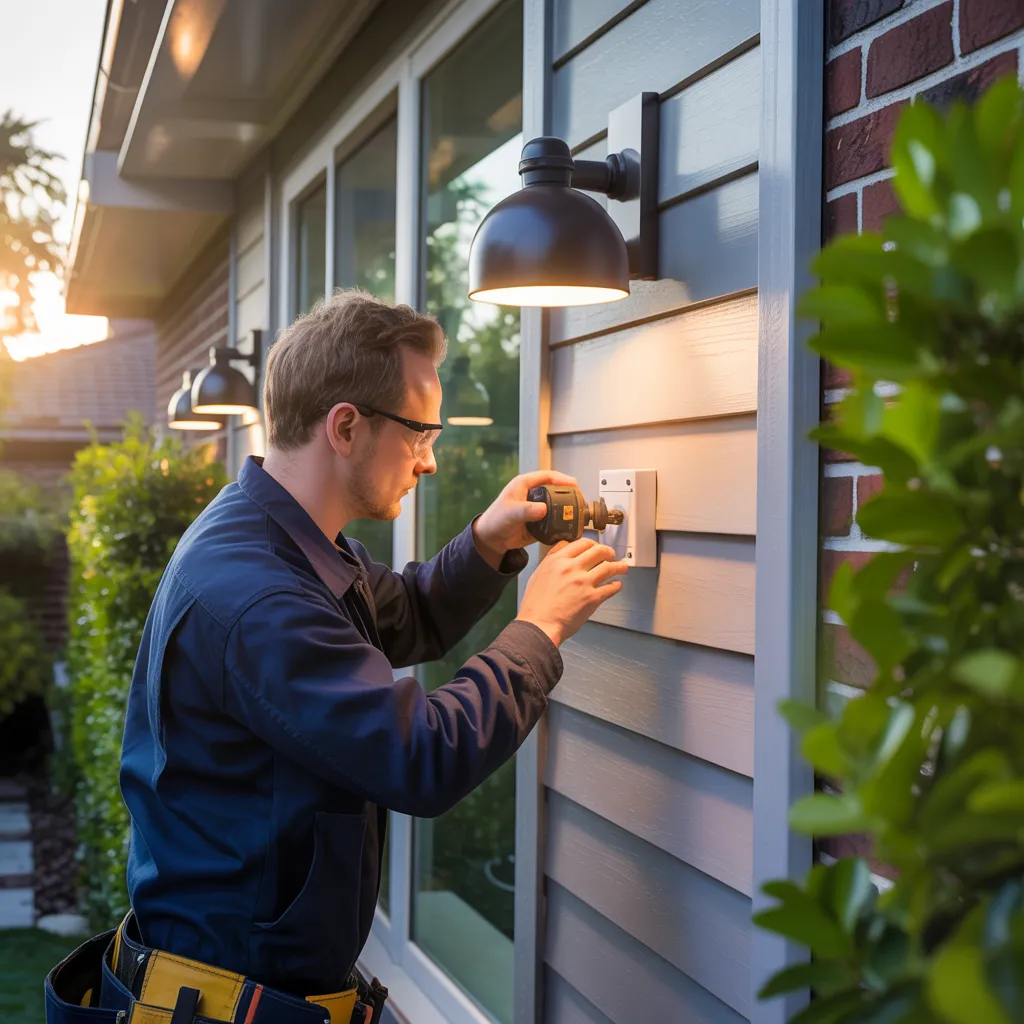
What Does a Residential Electrical Technician Really Do?
A residential electrician concentrates on the installation, maintenance, and repair of electrical systems within homes. Their main duties include wiring, circuit installation, and the setup of lighting fixtures. They also diagnose electrical issues, ensuring that systems operate efficiently and safely.
Together with these tasks, residential electricians undertake routine examinations to reveal potential dangers and confirm compliance with relevant codes. They regularly upgrade existing systems to accommodate new appliances or technology, thereby enhancing a home's functionality.
Furthermore, they offer valuable consultation services, advising homeowners on energy-efficient solutions and creative electrical layouts. A residential electrician also collaborates closely with other contractors during renovations or new constructions, making certain that electrical work integrates seamlessly with other elements of the project. By utilizing specialized tools and adhering to industry standards, they serve a critical function in maintaining a secure and dependable electrical environment in residential settings.
Safety Requirements in Electrical Projects: Essential Facts for Homeowners
In what manner can property owners guarantee their power infrastructure keep protected and in compliance? Learning about safety protocols is crucial. Power standards, like the National Electrical Code (NEC), function as a reference for safe implementations and approaches. Property owners ought to verify their setups satisfy these standards to reduce potential dangers of electrical fires and electrical hazards.
Regular reviews by a licensed electrician can help uncover potential hazards. Electricians are versed to follow local regulations and implement safety measures. Homeowners should also be aware of proper load capacities to eliminate overload, which can lead to overheating.
In addition, applying certified products and materials is indispensable for maintaining security. Homeowners must stress the installation of GFCI outlets in water-exposed zones and ensure smoke detectors are properly working. By remaining informed and proactive about electrical safety standards, homeowners can considerably lower risks and establish a safe living environment.
Typical Electrical Problems and How Experts Address Them
Homeowners commonly deal with various wiring problems that can pose risks to safe operation and performance. Typical issues include flickering lights, circuit breaker trips, and non-functioning outlets. These problems can be caused by outdated wiring, overloaded circuits, or faulty appliances.
Electrical surges are another frequent issue that can harm devices and appliances. GFCIs (Ground fault circuit interrupters) may also fail, producing dangers in wet areas like kitchens and bathrooms.
Technicians determine these problems by executing thorough evaluations, inspecting wiring quality, and evaluating the load on circuits. They utilize cutting-edge tools to uncover concealed defects and guarantee compliance with safety standards.
How to Address Frequent Wiring Issues With Expert Guidance
Electrical issues frequently demand skilled electrician expertise to handle. Flickering lights, circuit breakers that trip frequently, and outlet malfunctions are common problems that can indicate underlying electrical faults. A qualified electrician guarantees these issues are diagnosed accurately and resolved safely.
Flickering Lights Solutions providing professional solutions
Flickering lamps can disrupt the comfort of any home, signaling potential electrical problems that require immediate attention. This common problem often suggests loose connections, faulty switches, or inadequate wattage. Homeowners should first check if the flickering occurs with specific bulbs or throughout the entire house. If it is isolated, replacing the bulb may solve the issue. However, persistent flickering calls for consultation with a professional residential electrician, who can accurately diagnose and fix underlying problems. A qualified electrician will inspect wiring, assess circuit loads, and guarantee all connections are secure. Addressing flickering lights promptly not only restores peace but also enhances safety, preventing possible hazards like electrical fires. Professional intervention provides peace of mind and long-term solutions.
Causes for Circuit Breaker Tripping
Understanding these problems is critical; engaging a qualified home electrical specialist to diagnose and resolve these problems ensures safety and efficiency in the home's electrical system.
Outlet Issue Resolution
Understanding the potential issues associated with circuit breakers logically leads to the necessity of troubleshooting outlet malfunctions. Outlet issues can manifest as flickering lights, non-functional devices, or strange sounds from the outlet itself. These symptoms often signal underlying electrical issues that require professional evaluation. A qualified electrician will begin by inspecting the circuit for overloads, loose connections, or damaged wiring. They may also test for proper grounding and voltage levels to ensure safety. Addressing these malfunctions promptly is essential, as neglect can lead to more severe hazards, including electrical fires. By relying on a professional, homeowners can make certain that their electrical systems operate efficiently and safely, protecting both their property and their peace of mind.
Why Work with an Expert for Electrical Upgrades?
Upgrading electrical systems can significantly improve a home's security and performance, making professional help essential. Homeowners often underestimate the intricacies of electrical upgrades, which can result in costly mistakes or hazardous situations. Professional electricians have the required expertise and knowledge to comply with local codes and regulations, ensuring that upgrades are safe and code-compliant.
Furthermore, specialists can analyze a home's unique power demands, recommending personalized approaches that boost operation and energy conservation. They are supplied with the appropriate tools and knowledge to address conceivable difficulties, such as outdated wiring or insufficient load capacity. This competence not only decreases dangers but also improves the lifespan and consistency of the power network.
Ultimately, hiring a qualified electrician for upgrades not only protects your home but also gives peace of mind, realizing that the work is done properly and effectively, thereby maximizing the investment in the property.
Key Points About Your Electrical Inspection?
During an utility system evaluation, homeowners can expect a detailed review based on a common checklist that highlights key components of their system. Professionals will examine conformance to safety standards to verify the power installation is reliable and protected. Understanding these expectations helps homeowners make ready for a successful inspection process.
Common Inspection Checklist Items
A detailed electrical evaluation usually involves a number of critical checklist items that guarantee protection and conformance with regulations. Inspectors often commence by examining the electrical panel for adequate grounding and firm attachments. They review conductors for any signs of degradation, deterioration, or improper placement. Safety switches and fuses are evaluated to ensure they are operating properly and sufficiently designed for the current load. Moreover, outlets and switches are inspected to validate they are grounded and lacking malfunctions. Smoke detectors and CO monitors are equally verified for correct function. Ultimately, the professional reviews any changes or expansions to the electrical setup to establish they adhere to local codes and guidelines, guaranteeing the overall safety of the home's electrical infrastructure.
Safety Standards Adherence Overview
Following an exhaustive inspection checklist, comprehending safety standards compliance is essential for homeowners. Compliance with electrical safety standards ensures that installations meet both national and state requirements, minimizing risks from electrical hazards. Property owners can anticipate the electrical contractor to inspect proper grounding, circuit integrity, and the use of certified materials. Moreover, compliance with the National Electrical Code (NEC) is critical, as it defines the baseline safety standards for electrical installations. During assessments, electricians will evaluate the functionality of smoke alarms and carbon monoxide alarms, confirming they operate correctly. By focusing on safety standards, property owners not just protect their residence but also safeguard the well-being of their families. Ultimately, compliance establishes confidence in electrical services and promotes long-term safety.
How to Identify the Most Suitable Electrician for Your Home
Determining the best electrical professional for your property can seem tricky—what points should one consider? First, validating credentials is necessary. A licensed electrician establishes that they have met the needed education and standards. Homeowners should also check insurance details, as this protects against potential hazards during the job.
Experience constitutes another fundamental aspect; professionals with a solid track record are often more experienced at coping with various issues. Studying reviews and obtaining accolades can yield understanding into their trustworthiness and performance of work.
In addition, sourcing numerous estimates aids homeowners contrast pricing and services, making certain they get a equitable arrangement. Communication skills are equally important; an electrician must be capable of communicate issues and solutions distinctly.
Finally, connected information evaluating their familiarity with local codes and codes can prevent future issues. By thoughtfully weighing these elements, homeowners can reach an well-reasoned choice, ultimately guaranteeing security and efficiency in their electrical work.
Popular Questions Asked Regularly
What Fee Should You Expect When Hiring a Residential Electrical Expert?
Hiring a residential electrician generally costs somewhere in the range of $50 to $100 per hour, determined by your location and how complicated the work is. Supplementary costs may be imposed for supplies and emergency services, affecting your final cost.
How much time Does an electrical undertaking generally Take?
An electrical work generally takes a few hours to several days, based on its scope and complexity. Simple repairs may need minimal time, while larger installations or renovations can prolong the duration significantly.
What Qualities Should I Consider in an Electrical Specialist?
When searching for an electrical contractor, one should emphasize qualifications such as valid licenses, insurance, relevant experience, and positive customer reviews. Additionally, qualifications in specific fields can improve their credibility and ensure superior craftsmanship.
Is Emergency Electrical Support On Hand?
Emergency electrical aid are certainly obtainable. Many electricians provide 24/7 aid for urgent issues, ensuring quick response times and solutions to reestablish safety and functionality. Residents should confirm accessibility and turnaround before emergencies develop.
Can I Execute Electrical Work Personally in a Lawful Manner?
In many jurisdictions, people are able to lawfully carry out electrical work on their own properties, but regulations differ. It's essential to check local codes and safety standards to ensure compliance and prevent potential hazards or fines.